
A comprehensive guide to meditation techniques for students
In today's fast-paced academic environment, students face unprecedented levels of stress and anxiety. Between demanding coursework, social commitments, and personal responsibilities, finding inner peace can seem like an impossible task. Yet, the solution might be simpler than you think – meditation.
The benefits of meditation for students
Stress reduction and mental clarity
Stress is one of the most common issues students face, and it can negatively affect academic performance and mental health. Meditation helps calm the mind, reduces cortisol levels, and foster mental clarity. By practising regularly, students can build resilience against stress and develop a more positive outlook on challenges.
Improved concentration and focus
With constant distractions from technology and social obligations, maintaining focus can be difficult. Meditation techniques like mindfulness can train your brain to concentrate better. This leads to improved productivity and efficiency in studying, ensuring you get the most out of your academic efforts.
Preparing for meditation: setting the stage
Choosing your meditation space
Your surroundings play a vital role in establishing a successful meditation practice. Whether it's a quiet corner in your apartment near St Lawrence College in Kingston or a peaceful spot on campus, having a dedicated space for mindfulness can significantly impact your practice. Look for areas with minimal distractions and comfortable seating options.
Starting with fundamental techniques
Beginning your meditation journey doesn't require expensive equipment or extensive training. Start with simple breathing exercises: find a comfortable position, close your eyes, and focus on your breath for just five minutes. This foundational practice helps calm racing thoughts and centers your mind, making it perfect for quick study breaks.
Exploring guided meditation resources
Many students find guided meditation apps and recordings helpful when starting their practice. These tools provide structure and support, making it easier to maintain focus during meditation sessions. They're particularly beneficial during high-stress periods like exam weeks, offering both guidance and accountability in your practice.
Dynamic meditation approaches
Meditation doesn’t always mean sitting still. For students who prefer more movement, walking meditation and yoga are active forms of mindfulness. These practices are particularly effective after long hours of studying, as they refresh your mind while re-energizing your body, offering a holistic way to maintain focus and balance.
Building a consistent practice
Consistency is key when developing a meditation practice. Start small by dedicating just 5-10 minutes each morning or evening to meditation. Choose a time that aligns with your natural schedule, whether it's right after waking up or before bedtime.
Connecting through group meditation
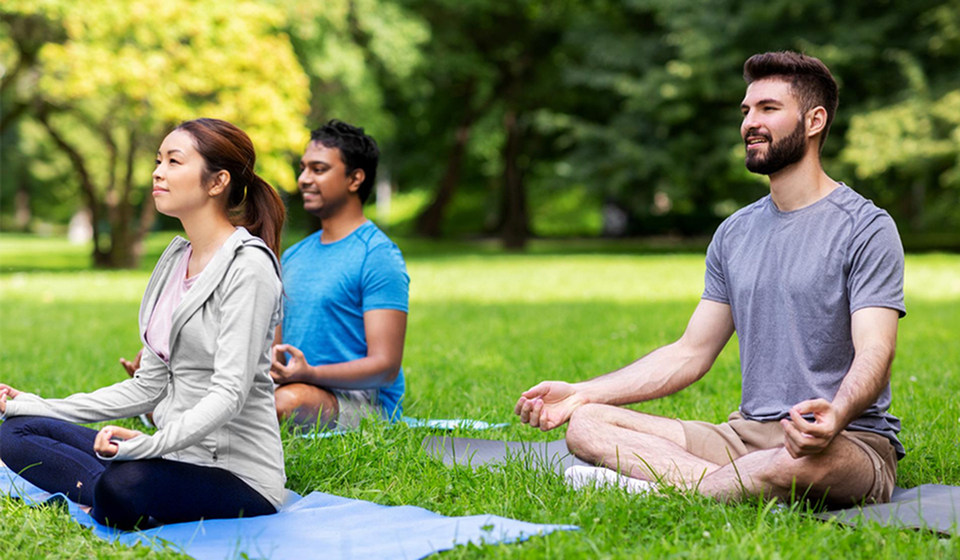
Meditation doesn't have to be a solitary practice. Many students find that joining meditation groups or practicing with roommates helps maintain motivation and provides valuable support. Consider starting a meditation club or joining existing wellness groups on campus.
As you begin exploring meditation, remember that everyone's journey is unique. Finding the right environment is crucial for developing and maintaining healthy habits like meditation. At Foundry Mack, our student apartments provide the perfect setting for your wellness journey, offering quiet spaces and a supportive community atmosphere.
Ready to create your own meditation sanctuary? Contact us today to learn more about our student housing options designed to support your academic and personal growth. Our spaces offer the perfect blend of comfort and convenience, making it easier to maintain wellness practices while pursuing your educational goals.